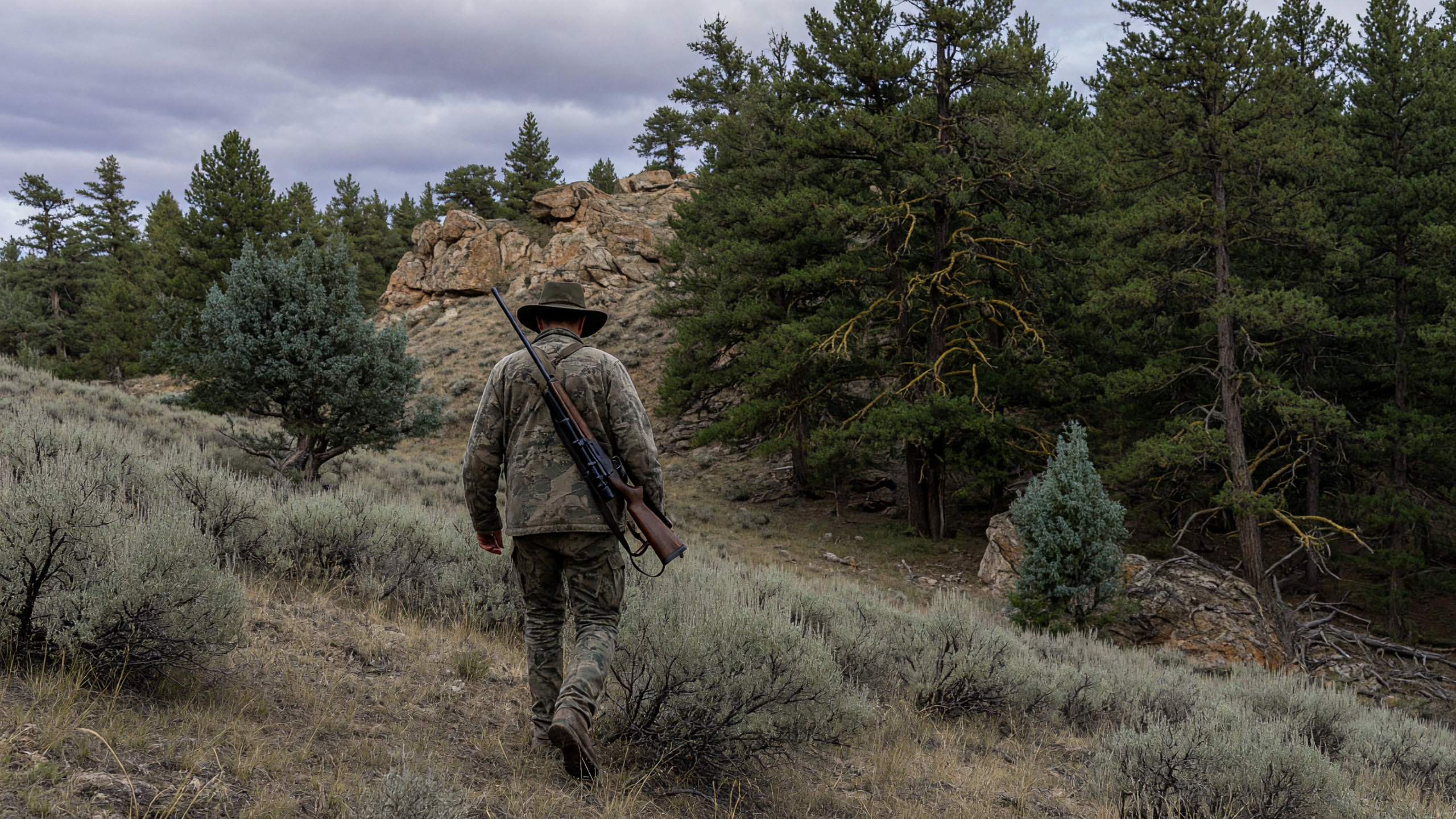

A Montana hunter has been sentenced to vital penalties after illegally killing a trophy-class nontypical mule deer, marking one other victory for the state’s aggressive wildlife enforcement efforts. The case highlights how recreation wardens are cracking down on poaching violations that rob sincere sportsmen of fair-chase alternatives.
The Prices and Conviction
The case centered on the unlawful harvest of a powerful nontypical mule deer buck that will have certified for a number of document books beneath authorized circumstances. Montana Fish, Wildlife & Parks (FWP) enforcement personnel investigated the violation after receiving suggestions from involved hunters who witnessed suspicious exercise throughout the searching season.
In keeping with courtroom paperwork filed within the case, the defendant was charged with searching with no legitimate license, searching throughout closed season, and waste of recreation meat. These expenses signify among the most severe violations in Montana’s wildlife code, as they strike on the core ideas of moral searching and conservation funding.
The sentencing included a mix of fines, license suspension, and searching privilege revocation. The hunter obtained a $6,000 positive, lack of searching privileges for a interval extending a number of years, and was required to pay restitution for the worth of the illegally taken animal. The buck’s estimated trophy worth factored into the restitution calculation, reflecting Montana’s method to treating wildlife crimes with the seriousness they deserve.
Particulars of the Trophy Buck
The nontypical mule deer buck on the heart of this case scored excessive sufficient to draw vital consideration throughout the searching group. Nontypical antlers function irregular factors and asymmetrical development patterns that make them particularly prized amongst trophy hunters. This explicit buck displayed a number of non-typical factors and distinctive mass that will have made it a once-in-a-lifetime harvest for any authorized hunter.
Montana FWP officers documented the antlers as proof within the case. Whereas precise scoring particulars weren’t launched publicly throughout the investigation, sources accustomed to the case indicated the deer would have ranked among the many high nontypical mule deer taken in Montana lately if harvested legally.
The lack of such a mature breeding buck from the native deer inhabitants represents greater than only a trophy taken illegally. Mature bucks like this one contribute useful genetics to the herd and have survived a number of searching seasons by means of pure wariness. Their removing by means of unlawful means disrupts wildlife administration targets that Montana FWP fastidiously balances by means of tag allocation and season construction.
Montana’s Enforcement Method
This case demonstrates Montana’s dedication to prosecuting wildlife violations aggressively. The state has invested closely in warden staffing, tip reporting programs, and forensic capabilities that permit investigators to construct stable circumstances in opposition to poachers.
Montana operates a tip line (1-800-TIP-MONT) that permits residents to report suspected wildlife violations anonymously. Rewards can be found for info resulting in citations or arrests. On this case, suggestions from moral hunters performed an important function in initiating the investigation that in the end led to expenses.
The state additionally participates in interstate searching license revocation compacts. This implies the convicted poacher’s lack of searching privileges extends past Montana’s borders. Many states honor these reciprocal agreements, successfully stopping convicted wildlife violators from merely crossing state strains to proceed searching.
Montana FWP recreation wardens have full regulation enforcement authority and obtain specialised coaching in wildlife forensics, crime scene investigation, and proof assortment. This professionalization of wildlife regulation enforcement has led to larger conviction charges and extra substantial penalties lately.
Deterrent Impact on the Looking Group
Wildlife officers view high-profile poaching convictions as important deterrents that reinforce moral searching requirements. When phrase spreads by means of searching circles about substantial fines and long-term license revocations, it sends a transparent message about penalties.
The monetary penalties alone create vital deterrence. A $6,000 positive plus restitution represents greater than many hunters spend on tools, licenses, and searching journeys over a number of seasons. Mixed with years of misplaced searching alternatives, the full value of poaching violations far exceeds any perceived profit from taking an unlawful animal.
Montana’s method contrasts sharply with states that deal with wildlife violations as minor infractions with minimal penalties. By imposing penalties that match the severity of the offense, Montana goals to guard each wildlife assets and the integrity of searching as a respectable outside pursuit.
Influence on Sincere Hunters
Authorized hunters bear the actual value when poachers take away trophy animals from the panorama. Montana’s tag allocation system fastidiously manages harvest to take care of wholesome deer populations whereas offering high quality searching alternatives. Each animal taken illegally represents a misplaced alternative for hunters who performed by the foundations.
Trophy-class mule deer bucks are particularly susceptible to poaching as a result of their massive antlers make them conspicuous and fascinating. These mature animals typically inhabit distant areas the place criminal activity is much less more likely to be witnessed. The truth that moral hunters reported suspicious exercise on this case exhibits the searching group’s function in self-policing.
The nontypical buck on this case seemingly survived quite a few searching seasons earlier than being poached. Every year it escaped authorized harvest meant one other hunter made an moral choice to not shoot, maybe as a result of the animal was out of vary, on personal property, or the hunter lacked the right tag. The poacher’s actions disrespected all these moral selections.
Authorized Penalties Past Felony Court docket
Past the fast felony penalties, convicted wildlife violators face further long-term penalties. The searching privilege suspension impacts not simply large recreation searching however doubtlessly fishing and trapping licenses as nicely, relying on the severity of violations.
Insurance coverage firms, employers, {and professional} organizations may additionally take motion based mostly on wildlife convictions. Looking guides and outfitters who violate recreation legal guidelines can lose their working licenses. Conservation organizations generally revoke memberships for members convicted of significant wildlife crimes.
The social penalties inside searching communities may be equally vital. Poaching convictions harm reputations completely in circles the place moral searching is valued. Many hunters view wildlife violations as basically completely different from different authorized infractions as a result of they have an effect on shared public assets.
Montana’s Wildlife Administration Context
Montana manages its mule deer inhabitants by means of fastidiously structured seasons, unit-specific tag quotas, and harvest reporting necessities. The state’s method balances hunter alternative with inhabitants sustainability and habitat carrying capability.
Mule deer populations throughout the West have confronted challenges from habitat loss, extreme winters, and competitors with increasing elk herds. Montana’s searching laws reply to those inhabitants dynamics with conservative harvest administration in struggling models and extra liberal alternative the place populations stay wholesome.
Each illegally harvested deer skews the info FWP biologists use to handle populations. When harvest numbers don’t match tag allocations, it turns into more durable to set applicable seasons and quotas for following years. This ripple impact touches each authorized hunter who participates within the administration system by means of license purchases and harvest reporting.
The Function of Know-how in Wildlife Enforcement
Fashionable recreation wardens make use of subtle instruments that make poaching investigations simpler. Path cameras, GPS knowledge, social media monitoring, and mobile forensics all contribute to constructing circumstances in opposition to wildlife violators.
In some cases, poachers inadvertently create proof in opposition to themselves by photographing unlawful kills and sharing photographs electronically. Even deleted images can typically be recovered by forensic specialists. Mobile phone location knowledge can place suspects at crime scenes throughout related timeframes.
Montana FWP has additionally invested in coaching wardens to conduct interviews and interrogations successfully. Many wildlife violations are in the end solved by means of suspect statements obtained throughout skilled investigative interviews.
Classes for the Looking Group
This case reinforces a number of crucial classes for hunters. First, the searching group’s willingness to report violations makes enforcement doable. With out suggestions from moral hunters, many wildlife crimes would go undetected and unpunished.
Second, the implications of wildlife violations have grown considerably extra extreme. Courts more and more acknowledge poaching as severe felony exercise that deserves significant punishment. The times of nominal fines and slap-on-the-wrist penalties are largely over in states with skilled wildlife enforcement.
Third, trophy animals belong to all residents as public belief assets. Taking them illegally steals from each hunter who contributes to conservation by means of license purchases and follows the foundations. The moral searching group views poaching as theft from fellow sportsmen as a lot as a violation of wildlife regulation.
What have been the particular expenses on this Montana poaching case?
The defendant was charged with searching with no legitimate license, searching throughout closed season, and waste of recreation meat. These violations signify severe breaches of Montana’s wildlife code that undermine fair-chase searching ideas and conservation administration.
What penalties did the convicted poacher obtain?
The sentence included a $6,000 positive, a number of years of searching privilege revocation, and restitution funds based mostly on the trophy worth of the illegally taken animal. The mixed penalties have been designed to replicate the seriousness of the violations and deter related conduct.
How did authorities uncover this poaching violation?
Montana Fish, Wildlife & Parks initiated the investigation after receiving suggestions from involved hunters who witnessed suspicious exercise. The state’s tip line (1-800-TIP-MONT) permits residents to report wildlife violations and performs an important function in enforcement efforts.
What made this explicit buck vital?
The nontypical mule deer buck displayed distinctive antler traits together with a number of non-typical factors and substantial mass. Officers indicated it might have ranked amongst Montana’s high nontypical mule deer lately if harvested legally, making it a real trophy-class animal.
Will the poacher be capable of hunt in different states throughout the license suspension?
Montana participates in interstate searching license revocation compacts, which suggests the searching privilege suspension extends past state borders. Many states honor these reciprocal agreements, stopping convicted violators from searching in a number of jurisdictions.
How does poaching have an effect on wildlife administration in Montana?
Unlawful harvest skews the inhabitants knowledge biologists use to set seasons and tag quotas. When precise harvest doesn’t match authorized tag allocation, it turns into more durable to handle deer populations sustainably. Every poached animal additionally represents misplaced alternative for moral hunters who observe laws.
What ought to hunters do in the event that they witness suspected wildlife violations?
Report suspicious exercise to Montana FWP instantly by means of the tip line at 1-800-TIP-MONT. Nameless reporting is out there, and rewards could also be supplied for info resulting in citations or arrests. Moral hunters play an important function in defending wildlife assets by means of vigilance and reporting.


No responses yet