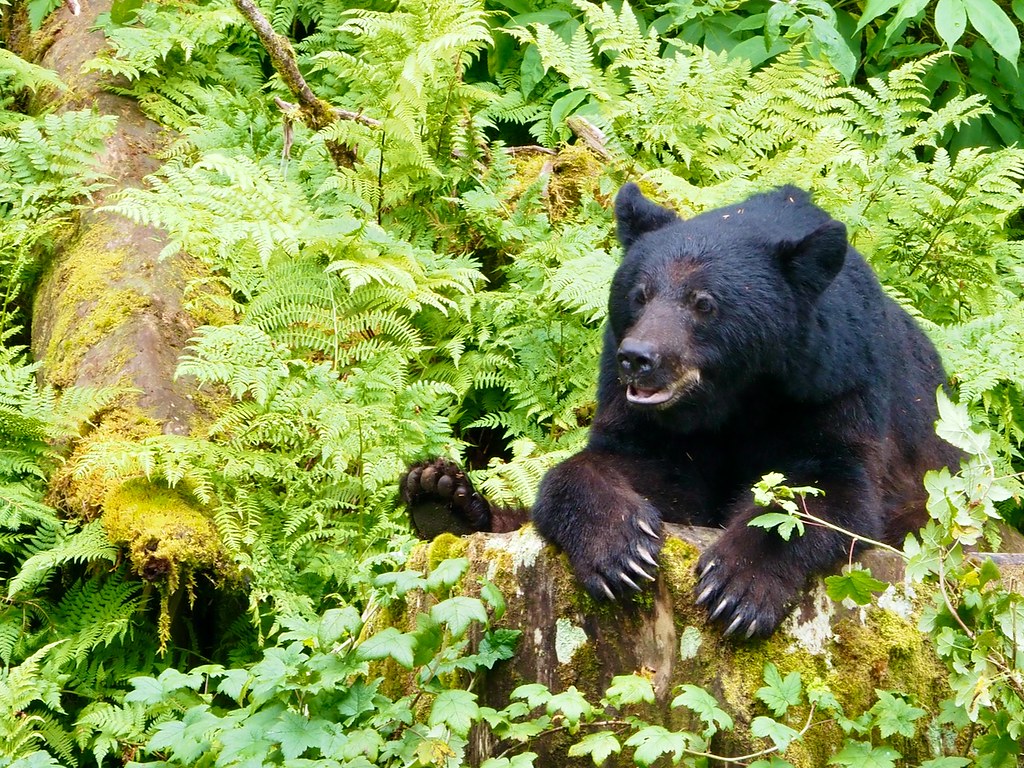
Bears that learn to get food from people often end up being killed. Storing everything with a scent properly protects them as much as it protects you.
A bear’s nose is extraordinary, and a single successful raid on a cooler can teach it to treat campgrounds as a buffet. Bears that become bold around people are often relocated or killed, which is why parks say “a fed bear is a dead bear.” Good food storage is the easiest wildlife protection there is.
What counts as “food”
To a bear, food is anything with a smell. Store all of this the same way:
- food and drinks, including sealed cans and coolers
- trash and food scraps
- cooking gear, pots and dish soap
- toiletries: toothpaste, sunscreen, lip balm, deodorant, wipes
- pet food and bowls
- anything else with a scent, like insect repellent or a stove’s fuel
Storage options compared
| Option | Where it’s used | Watch out for |
|---|---|---|
| Campground food locker | Many campgrounds in bear country | Close and latch it every time; share politely |
| Bear canister | Backcountry and wilderness areas; required in some | Must be an approved model; fill it efficiently |
| Hard-sided vehicle | Allowed in some campgrounds | Banned overnight in some parks; keep windows closed, items out of sight |
| Food hang | Some forests and backcountry areas | Less reliable; often not accepted where canisters are required |
| Electric fence or other systems | Some areas, by approval | Check local rules |
Rules are set locally, and they’re enforced with fines. The campground’s “Need to Know” information, ranger station or park website will tell you which storage is required. Our guide to reserving campsites shows where to find that information when you book.
Heads up
Never leave food out while you walk to the restroom, the lake or a neighbor’s site. Many bear incidents in campgrounds start with a cooler left on a picnic table for “just a minute.”
Laying out camp in bear country
- Cook and eat well away from your tent, downwind if you can. In grizzly country many backcountry guidelines suggest about 100 yards.
- Store food away from where you sleep, too.
- Change out of clothes that smell strongly of cooking before you sleep, if you can.
- Clean up right after meals. Pack out scraps and strain dishwater, scattering it away from camp and water sources.
Our guide to choosing a campsite has more on laying out the sleeping, cooking and storage areas.
Bear spray
Where bears are common, especially grizzlies, many parks recommend carrying bear spray. It works only if you can reach it quickly, so carry it on your hip or chest strap, not in your pack, and learn how to remove the safety. Check whether it’s allowed on flights and in Canadian parks before you travel; rules differ.
If you meet a bear
Park Service guidance includes these basics:
- Stay calm and don’t run. Running can trigger a chase.
- Identify yourself: talk calmly so the bear knows you’re a person, and slowly wave your arms.
- Pick up small children, and keep your group together.
- Back away slowly and give the bear a way out.
- Never get between a mother and her cubs.
What to do in the rare event of an attack depends on the species and situation, so read the specific guidance for the park you’re visiting before you go. And remember that the best encounter is the one that never happens, because there was nothing at your camp worth investigating.
For the wider set of habits that protect wildlife, see Leave No Trace at camp.
Camp notes
- Store all food and anything with a scent, including toiletries, trash and cooking gear, in a bear-resistant locker, canister or other approved storage.
- Rules differ by park and forest: some require canisters in the backcountry, and some, like Yosemite, don’t allow food left in cars overnight.
- Keep a clean camp, cook away from where you sleep, and never leave food unattended, even for a short walk.
- Carry bear spray where bears are common and know how to use it; never feed wildlife.
Questions campers ask
Is my car a safe place to store food?
In some areas a hard-sided vehicle with windows closed is allowed. In others, including Yosemite, bears break into cars and food must go in lockers. Follow the campground’s posted rule.
What is a bear canister?
A hard, lockable container that bears can’t open. Many wilderness areas require canisters, and some accept only models certified for that area or by the Interagency Grizzly Bear Committee.
Does hanging food from a tree still work?
It’s allowed in some areas, but bears in many places have learned to defeat hangs. Where canisters or lockers are required, a hang won’t meet the rule.
Rules, fire restrictions and closures differ by park, forest and district and can change quickly. Check with the land manager before your trip. This guide is general information, not professional safety advice.