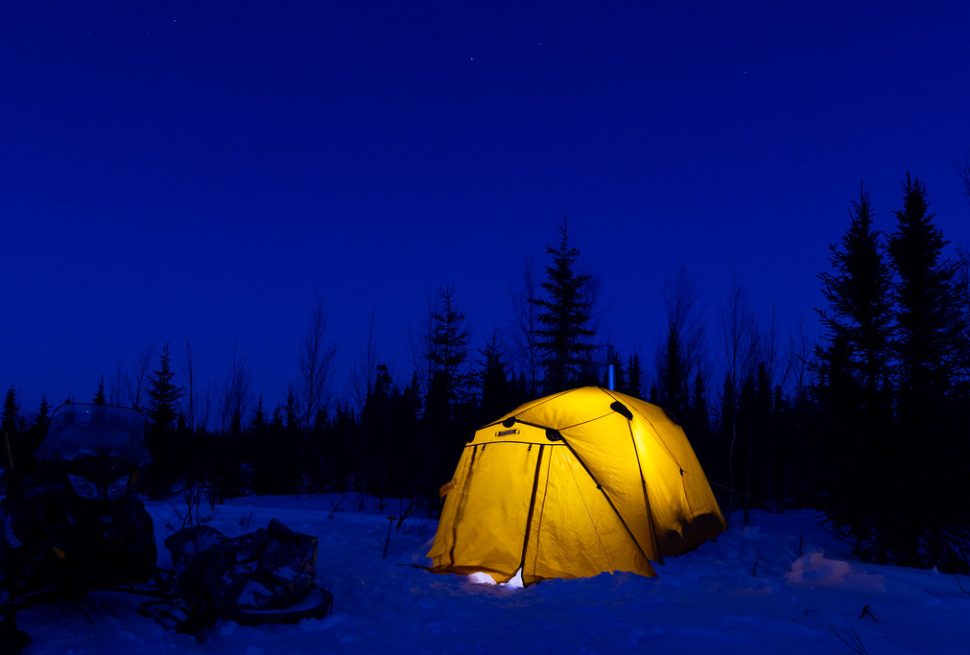
A tent feels like shelter, but in a thunderstorm it isn’t. The safest plan is to know where you’ll go before the first rumble.
Summer camping trips often come with a thunderstorm, especially in the mountains of the West and the humid East. Most pass without trouble. But a campground or forest is one of the riskier places to be when lightning starts, and the National Weather Service’s advice is blunt: no place outside is safe when thunderstorms are in the area.
Have a shelter plan
Before a storm arrives, know where you’ll go:
- Safe: an enclosed building with plumbing and wiring, such as a campground restroom building or visitor center, or a hard-topped metal vehicle with the windows closed.
- Not safe: tents, picnic shelters, open-sided pavilions, convertibles, golf carts and anything without walls.
When you arrive at camp, take a minute to note where your car is parked and whether there’s a substantial building nearby.
When you hear thunder
- Go now. If you can hear thunder, lightning can reach you, even when the sky overhead looks clear. It can strike miles from the storm.
- Get into your shelter and stay there.
- Wait 30 minutes after the last thunder before going back outside.
Heads up
Don’t wait for rain to start. Many lightning victims are struck before the heaviest rain arrives or after it has passed.
Caught away from shelter
If you’re hiking or paddling and can’t reach a building or vehicle, these steps reduce, but don’t remove, the risk:
- Get off peaks, ridges and other high ground immediately.
- Never shelter under an isolated tall tree, and don’t use a rock overhang or cave mouth as shelter.
- Get out of and away from water.
- Stay away from wire fences, power lines and other metal that can carry current.
- In a group, spread out so that one strike can’t injure everyone.
In the mountains, the best defense is timing. Summer storms often build in the early afternoon, so start early and plan to be off exposed ground by midday.
Flash floods
Heavy rain, sometimes from a storm you can’t see, can turn dry washes and narrow canyons into torrents within minutes.
- Don’t camp in dry washes, canyon bottoms or low spots. Our guide to choosing a campsite covers what to look for.
- Turn around, don’t drown. Just six inches of fast-moving water can knock an adult down, about 12 inches can carry away most cars, and two feet can carry away trucks and SUVs.
- Watch for rising water, rumbling sounds or debris in a stream, and climb to higher ground immediately.
Wind
Thunderstorms can bring strong, sudden gusts that bring down branches and dead trees.
- Don’t pitch under dead trees or hanging limbs.
- Stake the tent fully and use the guylines.
- During high wind, a vehicle or building is safer than a tent among tall trees.
Before you go
Check the National Weather Service forecast for the area, including any flood or fire weather warnings, and keep a way to receive alerts. Cell coverage is patchy at many campgrounds, so a NOAA Weather Radio or checking the forecast at the ranger station can help.
Cold rain and wind can also chill people quickly; our guide to cold-weather camping covers the warning signs of hypothermia.
Camp notes
- If you can hear thunder, you’re close enough to be struck; get to a substantial building or a hard-topped vehicle with the windows up.
- Tents, picnic shelters and open-sided structures offer no lightning protection.
- Wait 30 minutes after the last thunder before going back out.
- Never camp in dry washes or drive through flooded roads: six inches of moving water can knock an adult down.
Questions campers ask
Is a car really safe in lightning?
A hard-topped metal vehicle with the windows closed protects you because the metal body carries the current around you. Convertibles, soft tops and open vehicles don’t.
Does crouching low make me safe?
No position outdoors is safe. The National Weather Service no longer teaches the ‘lightning crouch’ as a way to stay safe; getting to proper shelter is what protects you.
When are mountain thunderstorms most likely?
In much of the West, summer storms often build in the early afternoon. Plan hikes and exposed activities for the morning and watch the sky.
Rules, fire restrictions and closures differ by park, forest and district and can change quickly. Check with the land manager before your trip. This guide is general information, not professional safety advice.