Leave No Trace isn’t a set of rules you’ll be ticketed for. It’s the shared habit that keeps campsites, lakes and meadows worth visiting.
The Leave No Trace Center for Outdoor Ethics publishes seven principles that most land agencies use in their own education. They’re less about rules than about habits. Here’s what each one looks like at camp.
1. Plan ahead and prepare
- Know the regulations: fire restrictions, food storage rules, permits and pet rules.
- Bring a trash bag, a trowel or toilet system, and enough water or a way to treat it.
- Choose smaller groups and quieter dates where you can.
2. Travel and camp on durable surfaces
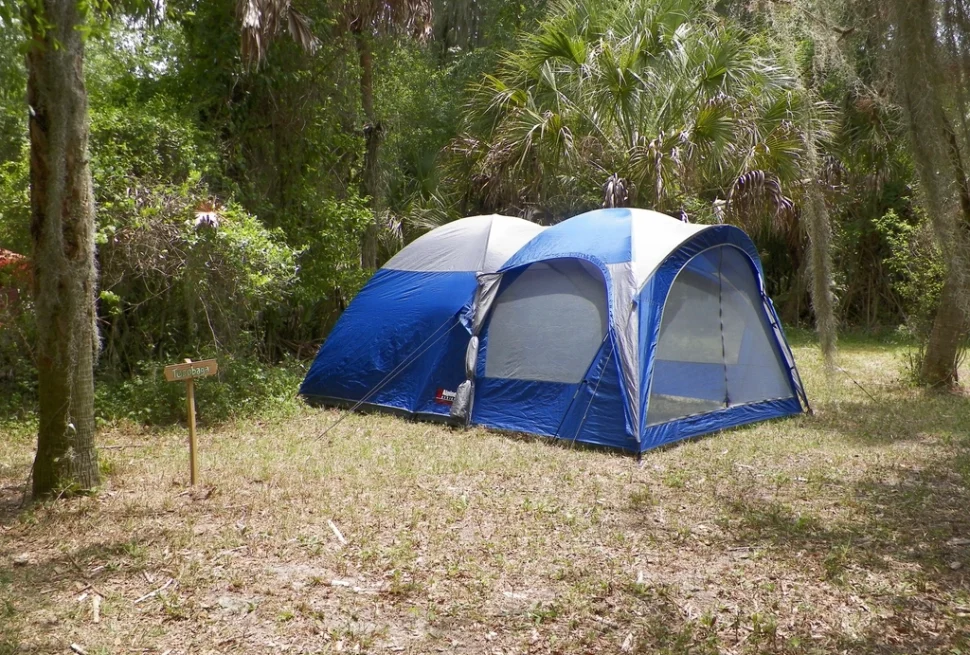
- In campgrounds, stay on the tent pad and existing paths.
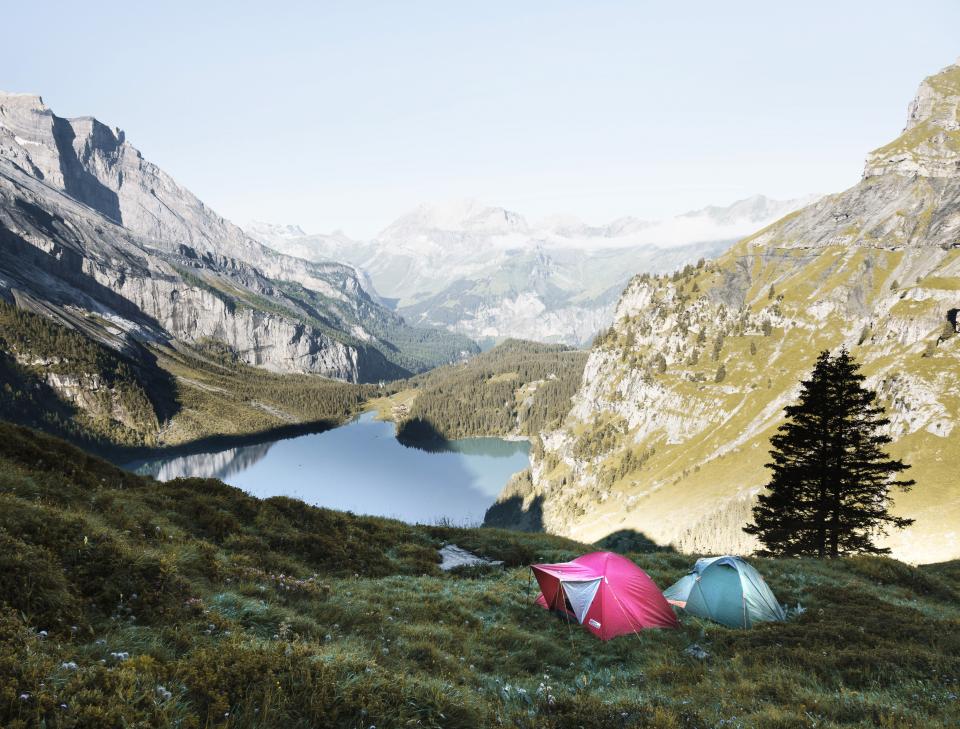
- Outside campgrounds, use established sites with bare ground, and camp at least 200 feet (about 70 adult steps) from lakes and streams.
- Don’t clear vegetation or build new trails to the water.
Our guide to choosing a campsite covers picking durable ground.
3. Dispose of waste properly
Pack it in, pack it out. That includes food scraps, peels and microtrash like twist ties and corners of wrappers.
For human waste where there’s no toilet:
- Dig a cathole 6 to 8 inches deep, at least 200 feet from water, camp and trails.
- Cover and disguise it when you’re done.
- Pack out toilet paper and hygiene products where required, and in many popular or fragile areas regardless.
For dishwater, carry water away from the source, use little or no soap, strain out food particles and scatter the water.
4. Leave what you find
Leave rocks, plants, antlers and historical objects where they are. Don’t carve trees, build rock structures or dig trenches.
5. Minimize campfire impacts
- Use a stove for cooking where you can.
- Where fires are allowed, use existing fire rings, keep fires small and burn wood down to ash.
- Put fires out completely.
Fire restrictions change with the season; read our campfire guide before lighting one.
6. Respect wildlife
- Watch from a distance; if an animal changes its behavior because of you, you’re too close.
- Never feed animals, deliberately or by leaving food out.
- Store food and scented items securely. In bear country, that means lockers or canisters; see food storage in bear country.
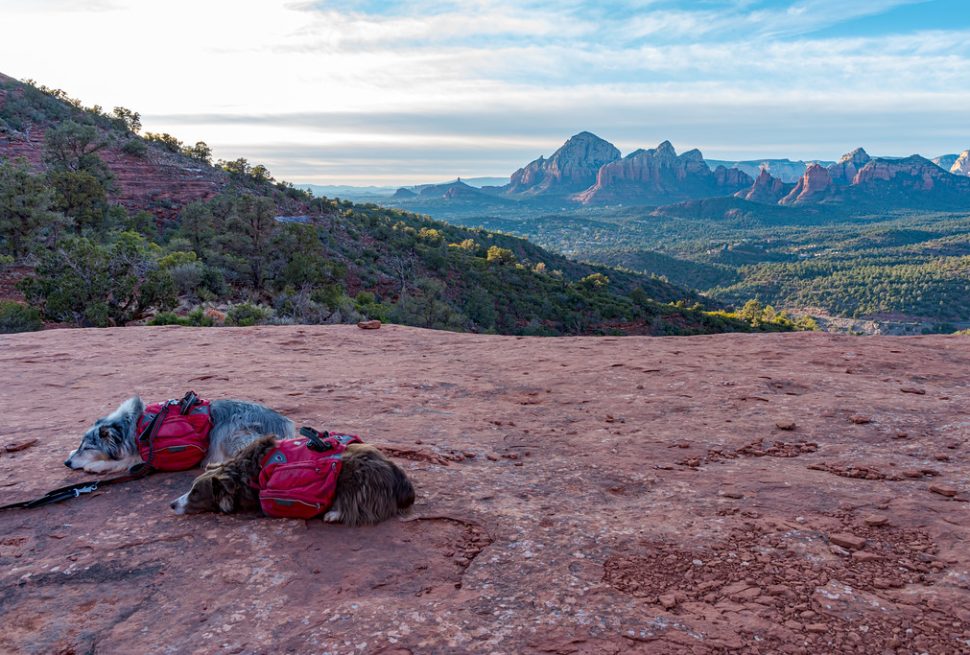
- Keep pets under control.
7. Be considerate of other visitors
- Respect quiet hours, and keep music and generators down.
- Keep your camp and your dog within your site.
- Yield on trails and give other campers space.
Camp tip
Before leaving any campsite, do a final sweep on hands and knees around the table and tent pad. Microtrash is easy to miss standing up.
Why it matters
Popular campsites get heavy use, and small impacts add up: trampled shorelines, scattered trash, wildlife that learns to raid camps. When they get bad enough, land managers close sites or add restrictions. Leave No Trace is how campers keep the places they love open, and it’s woven through every guide on this site.
Camp notes
- The Leave No Trace Center for Outdoor Ethics sets out seven principles, from planning ahead to being considerate of other visitors.
- Camp on durable surfaces and at least 200 feet from lakes and streams outside designated sites.
- Dig catholes 6 to 8 inches deep, at least 200 feet from water, camp and trails, and pack out toilet paper where required.
- Watch wildlife from a distance, never feed animals, and keep noise down.
Questions campers ask
Is it OK to leave food scraps since they’re biodegradable?
No. Scraps like apple cores and orange peels take a long time to break down and teach animals to look for food around people. Pack them out.
Can I wash dishes in the lake?
No. Carry water at least 200 feet away, use a tiny amount of biodegradable soap if any, strain out food bits and scatter the gray water.
Does Leave No Trace apply in developed campgrounds?
Yes. The principles apply everywhere, though campground toilets, trash cans and fire rings make several of them easier.
Rules, fire restrictions and closures differ by park, forest and district and can change quickly. Check with the land manager before your trip. This guide is general information, not professional safety advice.