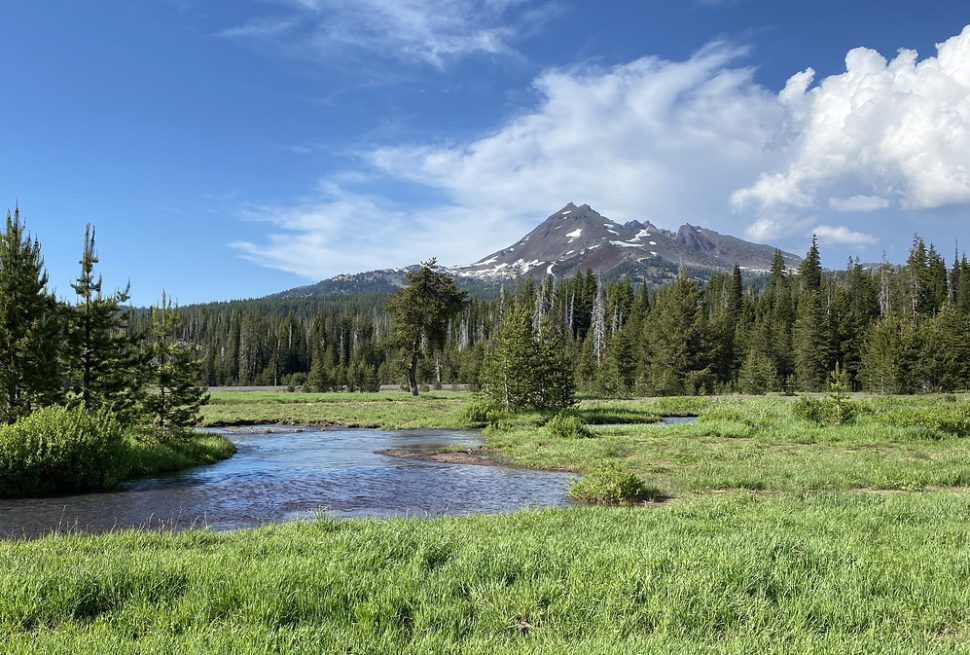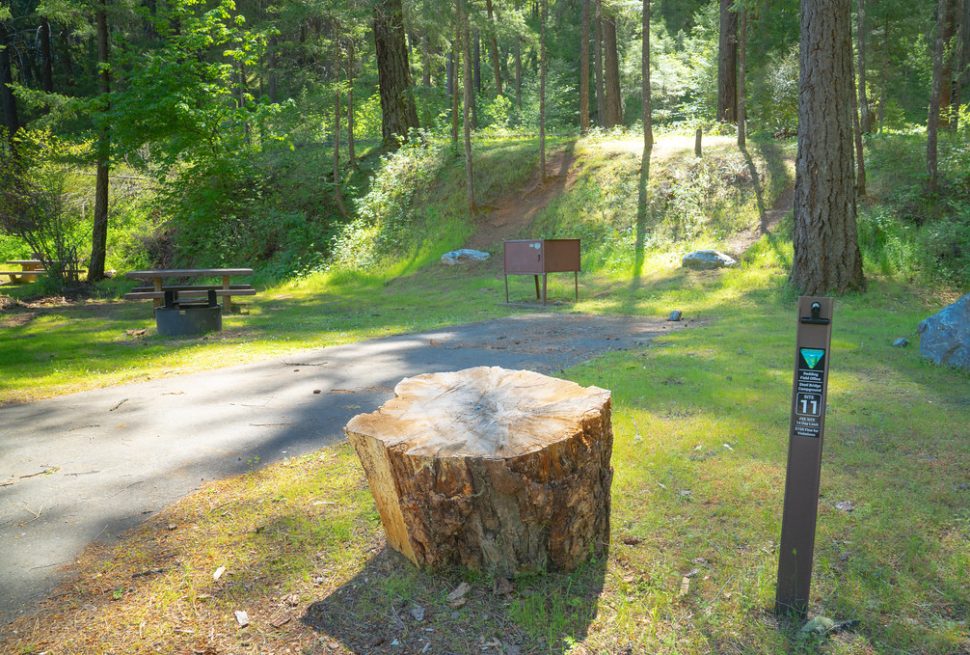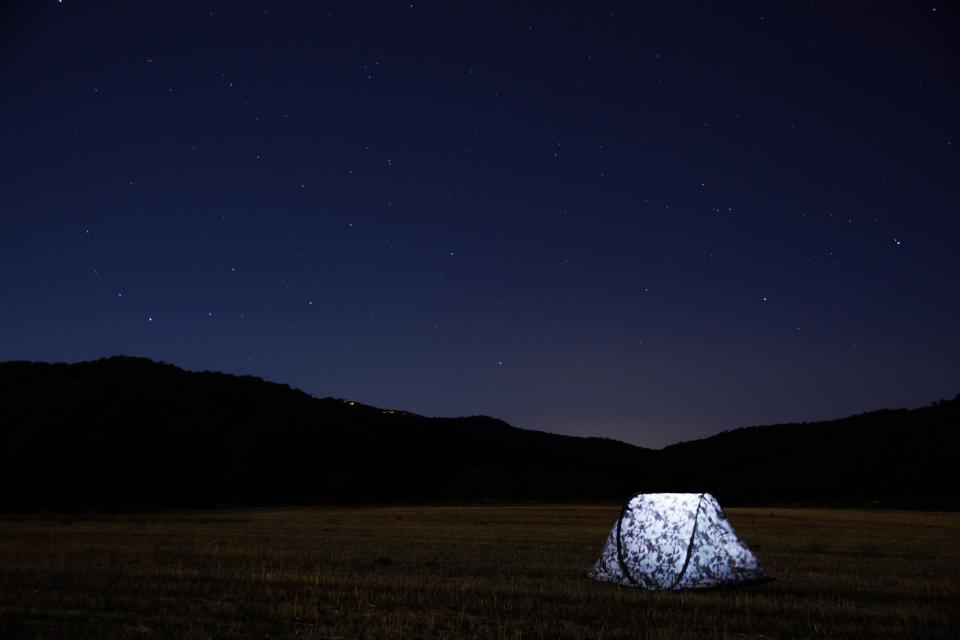
Dispersed camping means pitching a tent or parking a camper outside a developed campground, usually for free. It comes with fewer facilities and more responsibility.
A developed campground has a numbered site, a picnic table and someone collecting fees. Dispersed camping has none of that. You find a spot along a forest road or on open BLM land, set up, and take care of everything yourself.
It’s a great way to get space and quiet, and it’s usually free. It also works only as long as campers follow the rules, which are set locally and vary more than many people expect.
Who allows it
| Land | Dispersed camping? | Who to ask |
|---|---|---|
| National forests | Allowed in many areas unless posted closed | The local ranger district |
| BLM land | Allowed on much of it unless posted closed | The local BLM field office |
| National parks | Generally no; campgrounds and permitted backcountry sites only | The park |
| State land and private land | Depends entirely on the owner | The state agency or landowner |
Watch for private land mixed in with public land, especially in the West. A map app that shows land ownership helps, but signs on the ground take priority.
Stay limits
Dispersed camping is meant for visits, not living on public land. Limits are set locally, but a few patterns are common:
- BLM: many field offices allow up to 14 days within a 28-day period, after which you must move at least 25 miles away. Some offices use different numbers.
- Forest Service: stay limits are set forest by forest. 14 days is common, sometimes 16, and some forests have shorter limits in busy areas.
- Long-term visitor areas: the BLM runs a few winter long-term visitor areas in the Southwest where you can stay much longer with a permit during the season.
Days usually count whether or not you stay in one spot, so moving a few hundred yards down the road doesn’t restart the clock.
Finding a legal spot
- Get the right map. National forests publish free Motor Vehicle Use Maps showing which roads and trails are open to which vehicles. Driving off those routes isn’t allowed, and some maps mark how far from the road you may park to camp.
- Use existing sites. Look for a spot that has clearly been used before, with bare ground and maybe an existing fire ring. Don’t clear vegetation to make a new one.
- Keep your distance from water. Camp at least 200 feet from lakes and streams where you can, and follow any local distance rule.
- Read the signs. “No camping” areas are common near trailheads, developed recreation sites, water sources and private property.
- Check closures before you go. Fire closures, road closures and seasonal wildlife closures change often.
Heads up
Fire restrictions apply to dispersed campers too, and they often allow fewer fires outside developed campgrounds. Read our guide to campfire rules and restrictions before you light anything.
What you bring, you handle
Dispersed sites have no services, so plan for:
- Water. Bring what you need, or treat water from streams and lakes properly. Our guide to treating water at camp explains the options.
- Trash. Pack out everything, including food scraps and microtrash.
- Human waste. Use a portable toilet system, or dig a cathole 6 to 8 inches deep at least 200 feet from water, camp and trails. Some areas require you to pack out waste or toilet paper.
- Wildlife. In bear country, the same food storage rules usually apply as in campgrounds.
These habits are the core of Leave No Trace, and they’re the reason popular dispersed areas stay open.
Prefer a reserved site?
If dispersed camping sounds like more work than you want, many national forest campgrounds offer a middle ground: simple sites, vault toilets and a modest fee. Many can be booked ahead, as our guide to reserving campsites explains.
Camp notes
- Much national forest and Bureau of Land Management land allows dispersed camping, but national parks generally don’t allow camping outside campgrounds and permitted backcountry sites.
- A 14-day stay limit is common, and many BLM offices require you to move at least 25 miles after that, but local rules vary.
- Forest Service Motor Vehicle Use Maps show which roads you can drive, and driving off designated routes isn’t allowed.
- There’s no water, toilet or trash service, so you bring water, pack out trash and deal with human waste properly.
Questions campers ask
Is dispersed camping free?
Usually, yes. Dispersed camping on national forest and BLM land generally has no fee, although some special areas and long-term visitor areas require a permit.
Can I dispersed camp in a national park?
Generally not. National parks limit camping to campgrounds and designated backcountry areas, and backcountry camping usually needs a permit.
How far from a stream should I camp?
Leave No Trace recommends at least 200 feet from lakes and streams. Some forests and BLM offices set their own distance rules, so check local regulations.
How do I know an area is open for camping?
Call or check the website of the local ranger district or BLM field office. They can tell you about closures, fire restrictions and areas where camping isn’t allowed.
Rules, fire restrictions and closures differ by park, forest and district and can change quickly. Check with the land manager before your trip. This guide is general information, not professional safety advice.