Clear, cold mountain water can still carry Giardia, Cryptosporidium and other germs. Each treatment method handles a different part of the problem.
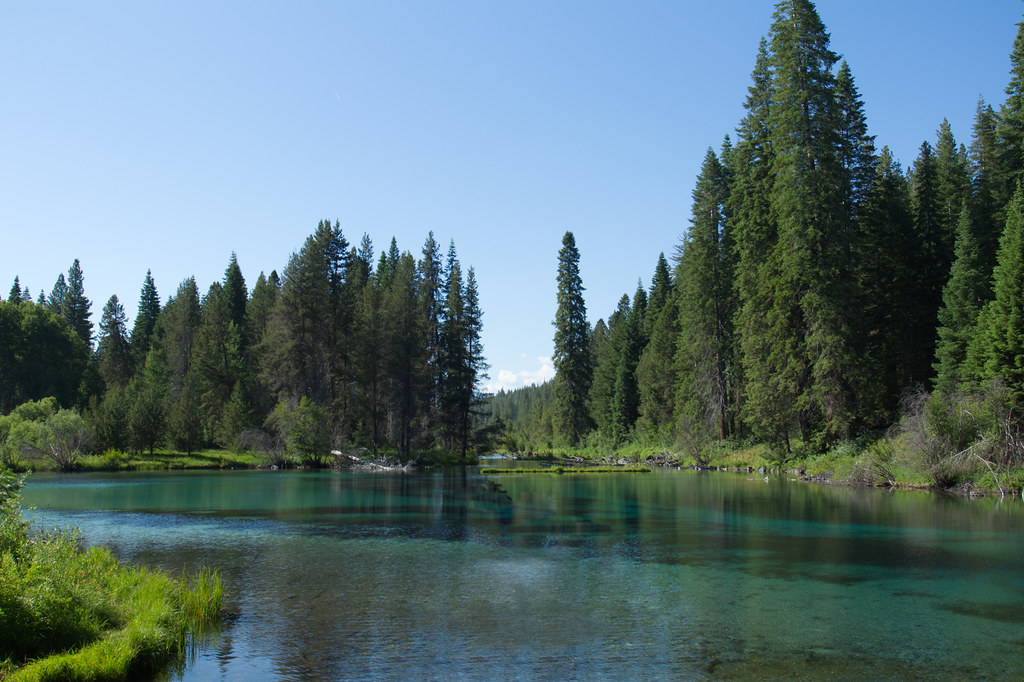
A cold stream running over clean rocks looks like the safest water in the world. The problem is what you can’t see: parasites like Giardia and Cryptosporidium, plus bacteria and viruses from animal or human waste upstream. The CDC’s advice for backcountry water is simple. Treat it, every time.
Different methods handle different germs, so it helps to know what each one does.
How the methods compare
| Method | Parasites (Giardia, Crypto) | Bacteria | Viruses | Notes |
|---|---|---|---|---|
| Boiling | Yes | Yes | Yes | Most reliable; uses fuel and time |
| Filter (1 micron or smaller) | Yes | Most | Usually not | Fast; check the pore size |
| Chlorine or iodine | Giardia partly; Crypto no | Yes | Yes | Cheap and light; taste |
| Chlorine dioxide | Giardia yes; Crypto partly | Yes | Yes | Follow the label’s wait times |
| Filter plus chemical or UV | Yes | Yes | Yes | Covers the gaps of each method |
| UV light | Yes | Yes | Yes | Needs clear water and batteries |
Boiling
Bring water to a full rolling boil for 1 minute. Above 6,500 feet, boil for 3 minutes, because water boils at a lower temperature at altitude. Let it cool in a covered pot. Boiling is the surest method, and the only real downside is the fuel it takes.
Filters
Pump, gravity and squeeze filters remove parasites and most bacteria by straining them out. For protection against Cryptosporidium and Giardia, the CDC suggests an absolute pore size of 1 micron or smaller; product packaging may refer to NSF/ANSI standards for cyst reduction.
Most filters don’t remove viruses, which are far smaller. In remote areas the risk from viruses is lower, but near busy campgrounds and trails it’s worth adding a chemical or UV step after filtering.
Camp tip
Keep the “dirty” and “clean” sides of your system apart. A few drops of untreated water on the clean bottle’s threads can undo all the filtering.
Chemical treatment
- Chlorine and iodine tablets or drops kill bacteria and viruses, are only partly effective against Giardia and don’t work against Cryptosporidium. Cold water needs longer contact time.
- Chlorine dioxide works well against Giardia but is only partly effective against Cryptosporidium, and it can take hours in cold water. Follow the wait times on the label, and filter first if Crypto is a concern.
- Household bleach works in a pinch. CDC guidance for unscented bleach is 8 drops per gallon of clear water for 6% bleach, or 6 drops for 8.25% bleach. Stir, wait 30 minutes, and repeat if there’s no faint chlorine smell.
UV light
Battery-powered UV pens and bottle caps inactivate parasites, bacteria and viruses, but only in clear water. Particles shade the germs, so pre-filter cloudy water first, and carry spare power.
What treatment can’t fix
No camp method removes chemicals such as fuel, pesticides or mine runoff. And boiling doesn’t destroy toxins from harmful algae blooms, which can make water look green, scummy or like spilled paint. Skip that water entirely, for you and for your dog.
Collecting water well
- Collect from flowing water away from heavy use, upstream of camp and trails where you can.
- Let sediment settle, or pre-filter through a cloth.
- Carry enough capacity to treat a full evening’s water before dark.
- Wash and rinse dishes with treated water, at least 200 feet from the source.
In dry country, the real problem is often finding water at all. If you’re dispersed camping, bring all the water you’ll need and treat anything you collect on the way. And the same cleanliness habits that keep water safe are central to Leave No Trace.
Camp notes
- Boiling is the most reliable method: bring water to a rolling boil for 1 minute, or 3 minutes above 6,500 feet.
- Most portable filters remove parasites and bacteria but not viruses; look for an absolute pore size of 1 micron or smaller.
- Chlorine and iodine don’t work against Cryptosporidium, and chlorine dioxide is only partly effective against it, so pair chemicals with a filter or boil.
- No camp method removes chemicals, and boiling doesn’t destroy toxins from harmful algae blooms, so avoid water with visible scum.
Questions campers ask
Can I drink straight from a clear mountain stream?
It isn’t safe to assume so. Clear water can carry parasites such as Giardia and Cryptosporidium as well as bacteria and viruses from animal or human waste.
Does a filter make water safe on its own?
It handles parasites and bacteria, but most filters don’t remove viruses. In areas with heavy human use, pair a filter with chemical treatment or UV.
What about cloudy water?
Let sediment settle or strain it through a clean cloth or coffee filter first, then treat it. Cloudy water clogs filters and weakens chemical and UV treatment.
Rules, fire restrictions and closures differ by park, forest and district and can change quickly. Check with the land manager before your trip. This guide is general information, not professional safety advice.